EN
EN
 AR
AR
 BG
BG
 HR
HR
 CS
CS
 DA
DA
 NL
NL
 FI
FI
 FR
FR
 DE
DE
 EL
EL
 HI
HI
 IT
IT
 JA
JA
 KO
KO
 NO
NO
 PL
PL
 PT
PT
 RO
RO
 RU
RU
 ES
ES
 SV
SV
 CA
CA
 TL
TL
 IW
IW
 ID
ID
 LV
LV
 LT
LT
 SR
SR
 SK
SK
 SL
SL
 UK
UK
 ET
ET
 TR
TR
 AF
AF
 MS
MS
 KA
KA
 BN
BN
 LA
LA
 NE
NE

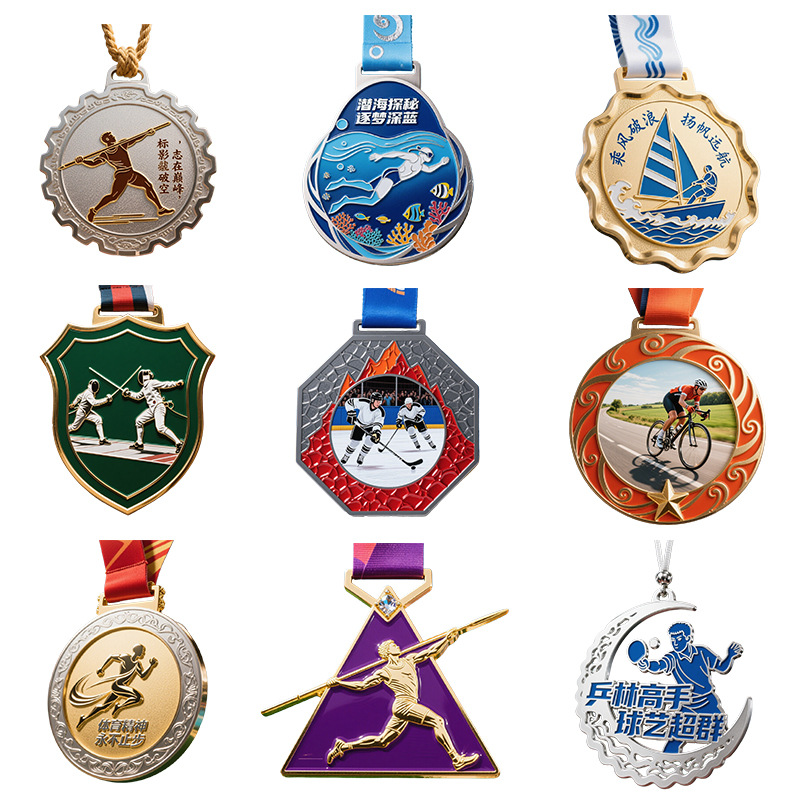
Why Custom Medals Require Specialized Preservation
The Unique Vulnerabilities of Custom Medal Materials and Finishes
When it comes to custom medals, they're made from all sorts of stuff like zinc alloys, precious metal coatings, enamel inserts, and those fancy silk ribbons. Each material brings its own headaches when trying to keep them looking good over time. The plated surfaces tend to get scratched off after repeated handling, while the enamel just cracks so easily because it's basically glass. Then there's this whole issue with bad quality storage boxes leaching acid onto the metal parts, which eats away at the surface and causes permanent harm. Standard awards don't have these problems since they're mass-produced with simpler designs. But custom pieces often have deep engraving areas and multiple layers where dirt and grime collect, speeding up the breakdown process. Different materials also fight against each other in strange ways. Metal expands and contracts differently than enamel does when temperatures change, creating tiny cracks that grow over time. And those beautiful ribbons? They start to fall apart much faster when exposed to air pollution, making the whole medal look worse day by day.
Five Key Threats to Custom Medal Integrity: UV, Humidity, Pollutants, Physical Stress, and Acid Migration
Five environmental factors demand vigilant control to prevent deterioration:
- UV Exposure: Fades ribbon dyes and discolors metals within months; ultraviolet radiation weakens silk fibers by 74% after just 200 hours
- Humidity (>50% RH): Accelerates silver tarnish eightfold and triggers "bronze disease"—a self-propagating corrosion reaction that destroys copper alloys
- Airborne Pollutants: Sulfur compounds from industrial emissions form black silver sulfide layers in days
- Physical Stress: Stacking or improper handling causes microfractures in enamel and permanent deformation of soft alloys
- Acid Migration: Cardboard and wood emit volatile organic acids that etch metal finishes at up to 0.3 mm/year
Controlling these threats requires integrated strategies: UV-filtering displays, silica gel–regulated humidity control, and archival-grade storage create stable preservation ecosystems. Neutral pH barriers block acid transfer, while compartmentalized mounting prevents contact damage between components.
Optimal Storage Solutions for Custom Medals
Environmental Control: Targeting 40–50% RH, <25°C, and Zero UV Exposure
Stable environmental conditions are non-negotiable. Humidity above 50% RH accelerates metal corrosion and organic decay; temperatures exceeding 25°C (77°F) weaken adhesives and speed chemical degradation. Conservation research confirms that even indirect UV exposure causes irreversible fading in 90% of enamel and ribbon components within 18 months. Implement these controls:
- Humidity: Maintain 40–50% RH using silica gel or climate-controlled cabinets
- Temperature: Store in zones consistently below 25°C—avoid attics, basements, or uninsulated garages
- Light: Use UV-filtering glazing for displays; store inactive medals in total darkness
Archival-Grade Materials: Acid-Free Boxes, Corrosion Intercept Bags, and Non-Reactive Mounting
Standard storage materials silently degrade custom medals through acid migration and off-gassing. Archival solutions create inert microenvironments:
- Acid-free boxes: Prevent paper-derived acids from transferring to metals and ribbons
- Corrosion Intercept® bags: Copper particles neutralize sulfur gases before they reach medal surfaces
- Non-reactive mounts: Use polyester foam or acrylic stands—not PVC, rubber, or unfinished wood—which can leach plasticizers or organic acids
A comparative analysis reveals:
| Material Type | Risk Level (1–5) | Recommended Alternative |
|---|---|---|
| Cardboard | 5 (High Acid) | Buffered acid-free box |
| Polyethylene | 2 (Low Off-Gas) | Corrosion Intercept® |
| Wooden Mounts | 4 (Organic Acids) | Acrylic display stand |
Never store medals in direct contact with adhesives, inks, or unfinished wood—these promote silver tarnish and bronze disease via ionic transfer.
Safe Cleaning and Handling Techniques for Custom Medals
Material-Specific Protocols: Metal, Enamel, Crystal, Wood, and Ribbon Components
Materials all have their own needs when it comes to proper maintenance. Metal parts should be wiped down with soft microfiber cloths soaked in pH neutral cleaner. This helps prevent those tiny scratches and unwanted chemical reactions that can ruin the finish over time. Enamel surfaces need gentle dabbing not scrubbing if we want to keep them chip free. For crystal pieces, stick to alcohol-free cleaners otherwise they'll lose their clear look after a while. Wood sections must dry quickly so grab some absorbent cloth right away before water sits too long and causes warping issues. Ribbons are tricky little things really. Better off vacuuming them with mesh-covered attachments rather than trying to brush through fibers which just ends up damaging everything. When handling custom medals always grip them by the edges wearing lint-free cotton gloves. Our skin leaves behind oils and salts that eat away at precious finishes. Get this wrong and materials degrade much faster studies show around 70% quicker wear down than following correct procedures for each type.
Preventing UV-Induced Fading and Ribbon Embrittlement Through Display Design
Exposure to ultraviolet light does serious harm over time. Most colored ribbons start fading after about two years, and fabrics just get brittle and break down. To protect against this, museum quality acrylic display cases with built-in UV filters work wonders, cutting down on light damage by almost all of it. Try placing items where they won't catch direct sunbeams. North facing walls are actually better since they get roughly half the UV intensity compared to other directions. When framing anything valuable, always go for acid-free mats because regular ones can leach chemicals into delicate materials like ribbons. Also worth mentioning is rotating display pieces every three months so no single item gets too much exposure. For lighting, LED options below 50 lumens seem to strike the right balance between being visible enough and not causing further degradation through excessive brightness.
Corrosion Prevention and Long-Term Protective Strategies for Custom Medals
Metal-Specific Degradation Pathways: Silver Tarnish, Bronze Disease, Brass Dezincification, and Nickel Oxidation
Different types of custom medals experience various forms of corrosion depending on their metal composition. Silver tends to tarnish when it comes into contact with sulfur compounds in the air, which creates that ugly black coating we all know too well. Bronze has its own problem called "bronze disease" where chlorides start this whole cycle of corrosion that turns the metal into a crumbly green mess. Brass is another troublemaker in acidic conditions or places with very little minerals around, basically stealing away the zinc and leaving behind weak copper structures. Nickel isn't immune either; exposure to saltwater or pollution causes those annoying pits on the surface that eventually weaken everything. Studies indicate that applying protective layers like microcrystalline wax on silver items or using benzotriazole treatments for bronze can cut down corrosion problems by about 80 percent. Understanding how each metal reacts helps create better preservation strategies that keep our medals looking good while maintaining their strength over time.
Frequently Asked Questions (FAQ)
What are the main threats to custom medal integrity?
The five key threats include UV exposure, humidity, airborne pollutants, physical stress, and acid migration. Each of these factors can cause significant damage to custom medals over time.
How can I store custom medals safely?
Safe storage involves maintaining stable environmental conditions, such as 40-50% relative humidity, temperatures below 25°C, and complete UV protection. Use archival-grade materials like acid-free boxes and corrosion intercept bags to prevent chemical degradation.
What cleaning techniques should be used for custom medals?
Use soft microfiber cloths with pH-neutral cleaner for metal components, gently dab enamel surfaces, choose alcohol-free cleaners for crystal pieces, absorbent cloths for wood, and vacuum ribbons with mesh attachments. Always handle medals with lint-free cotton gloves.
How can UV exposure be minimized?
UV exposure can be minimized by using museum-quality acrylic display cases with built-in UV filters. Ensure that medals are stored away from direct sunlight and use north-facing walls for displays.
What protective strategies can prevent corrosion on custom medals?
Applying protective layers such as microcrystalline wax on silver medals and using benzotriazole treatments for bronze can significantly reduce corrosion by up to 80%.