EN
EN
 AR
AR
 BG
BG
 HR
HR
 CS
CS
 DA
DA
 NL
NL
 FI
FI
 FR
FR
 DE
DE
 EL
EL
 HI
HI
 IT
IT
 JA
JA
 KO
KO
 NO
NO
 PL
PL
 PT
PT
 RO
RO
 RU
RU
 ES
ES
 SV
SV
 CA
CA
 TL
TL
 IW
IW
 ID
ID
 LV
LV
 LT
LT
 SR
SR
 SK
SK
 SL
SL
 UK
UK
 ET
ET
 TR
TR
 AF
AF
 MS
MS
 KA
KA
 BN
BN
 LA
LA
 NE
NE

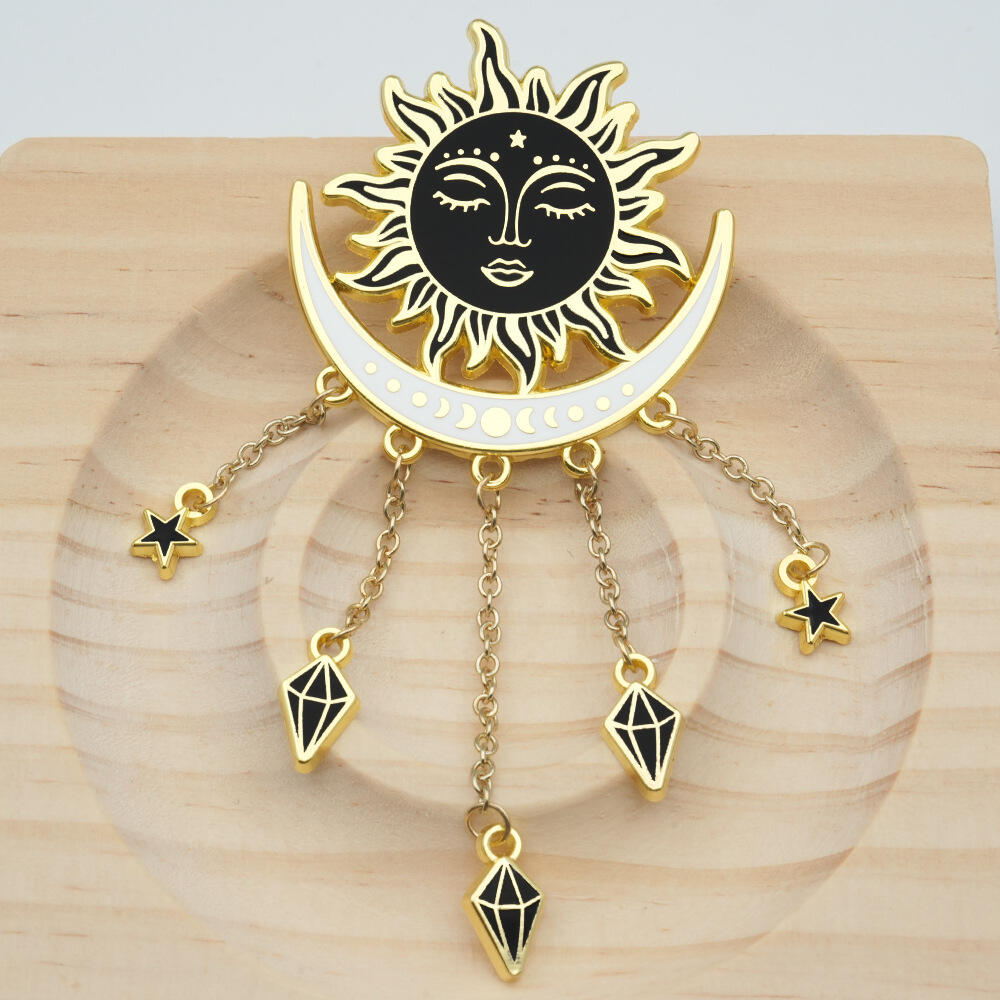
Key Selection Criteria for Reliable Custom Enamel Pin Manufacturers
Vetting Process: Portfolio Quality, MOQ Flexibility, and Revision Policies
Looking through what a manufacturer has actually produced gives a much better sense of whether they deliver consistent quality across the board. Take time to check out around 10 of their most recent work samples focusing on how well they handle enamel fills, how sharp those metal edges look, and how long the plating holds up these details tell the real story about their technical capabilities far better than any glossy brochures ever could. When it comes to minimum order quantities, transparency matters a lot. Companies based in the US or EU such as GS-JJ typically let customers order below 100 pieces without charging extra, whereas many cheaper foreign suppliers tend to hide additional fees or push higher minimums that aren't always obvious upfront. What happens when things need fixing? Top tier manufacturers usually offer somewhere between two to three free design changes beyond simple file fixes they'll actually adjust colors, tweak layouts, or correct dimensions if needed. Implementing a step-by-step approval process starting with digital proofs, then moving to physical samples before going into full production can really make a difference. According to last year's PPAI report on promotional products, this approach reduces defects by roughly a third compared to rushing straight into mass manufacturing.
Geographic Trade-offs: Why U.S./EU Responsiveness Often Outweighs Alibaba Cost Savings
Asian manufacturers often tout prices 40 to 60 percent below what domestic companies charge, but these savings rarely last long. Communication problems caused by different time zones and language differences can stretch simple fixes from just a few hours to over three weeks, compared to around 72 hours with local suppliers. Looking at actual factory performance data shows Western plants handle quality issues roughly two thirds quicker than their overseas counterparts. Local producers have the added benefit of understanding regulations right out of the gate, which matters a lot when making things like metal alloy pins that must meet strict CPSC rules about nickel content or EU regulations limiting heavy metals under REACH. When products need to hit shelves fast or when brands demand absolute reliability, having partners who respond quickly, take responsibility, and know the regulatory landscape inside out typically pays off much better than those initial price tags suggest.
Understanding Custom Enamel Pin Production: Hard vs. Soft Enamel Differences
Step-by-Step Workflow — From Art Submission to Plating (With Realistic Lead Time Benchmarks)
Making custom enamel pins starts when designers send over their vector artwork. They need to make sure the files are clean, properly layered, with clear color sections and absolutely no raster images mixed in. Once the art is approved, the manufacturer gets to work creating a special steel die through a process called die striking, which usually takes around 3 to 5 business days. When it comes to filling the enamel, there are two main approaches. Soft enamel involves just one layer of pigment that gets baked at about 300 degrees Fahrenheit, resulting in those nice little recessed textures people love. For hard enamel, multiple layers are applied and cured at much higher temperatures around 800°F, then polished until everything lies flat and smooth. After this comes the finishing touches like electroplating with either nickel or gold, plus an optional epoxy dome coat that adds both protection and that shiny finish everyone wants. And let's talk about timing real quick before we wrap up...
- Soft enamel: 10-14 days total
- Hard enamel: 18-25 days (due to multi-stage curing and polishing)
Always confirm timelines before approval—especially if your campaign has fixed deadlines.
Common Quality Failures in Custom Enamel Pin Manufacturing and How to Prevent Them
Four preventable failures account for most field complaints:
- Color bleeding: Enamel migrates under metal borders during baking. Prevention: Specify Pantone-matched enamels and require ≥0.25mm metal separator thickness.
- Enamel chipping: Soft enamel loses 37% more surface material during daily wear (Craft Supplies Report 2024). Solution: Apply protective epoxy coating—non-negotiable for high-touch applications.
- Plating tarnish: Nickel-free or zinc-based cores oxidize rapidly. Mitigation: Use brass cores with nickel undercoating for corrosion resistance and luster retention.
-
Dimensional inaccuracies: Misaligned dies cause inconsistent sizing or warped profiles. Prevention: Require 3D-printed or metal prototype approval before mold finalization.
Together, these controls reduce post-delivery defects by up to 60%, per industry benchmark data.
Decoding Custom Enamel Pin Pricing: What Actually Drives Cost
Mold Fees, Volume Tiers, and Material Choices (Brass/Iron Base, Nickel/Gold Plating)
When looking at what actually determines the real cost per unit, there are basically three main things to consider: how much was spent upfront on molds, how many pieces need to be produced, and what kind of materials are required. The steel die itself usually costs somewhere around $50 to maybe even $100, and this stays constant no matter what. As production runs get bigger, this initial expense gets spread out over more items, which naturally brings down what each individual piece costs. For instance, when moving from making 50 units to 100, manufacturers often see their costs drop by roughly a quarter or so. This isn't really about materials getting cheaper as quantities increase, but rather the fact that the same mold investment now covers twice as many products.
Choosing materials involves real tradeoffs worth considering carefully. Iron bases might save money upfront but they tend to wear out faster and don't look as good long term. Brass is heavier, resists rust better, and holds plating much better too, though it will set back about 25 to 40 percent more cash. Then there's the plating factor to think about. Nickel works well enough for most purposes and won't break the bank when it comes to protecting against corrosion. Gold plating costs around 20 to 30 percent extra because gold itself is expensive plus there are those special chemical treatments needed. The bottom line? Match what gets spent with what actually matters functionally rather than just how something looks on paper. Executive gifts typically call for brass combined with gold plating since clients expect quality. But for quick turnaround items at events, iron with nickel plating does the job fine without wasting money unnecessarily.
| Cost Factor | Economic Option | Premium Option | Price Difference |
|---|---|---|---|
| Base Metal | Iron | Brass | +25-40% |
| Plating Finish | Nickel | Gold | +20-30% |
Top Custom Enamel Pin Producers Compared: Features That Matter Most
Design Support, Pantone Accuracy, and Post-Error Resolution Speed Across Leading Vendors
Good design support isn't just something nice to have, it actually helps avoid costly mistakes down the road. The best suppliers don't just talk about their services, they get involved in optimizing vectors, checking color zones, and helping newcomers create realistic mockups. When it comes to colors, there's a big difference between professionals who hit Pantone standards consistently versus those who don't bother much. Top manufacturers can match colors over 95% of the time thanks to special mixing techniques and controlled firing processes, which matters a lot when brands need consistent looks across multiple product runs. What really sets companies apart though? How fast they fix problems. The industry leaders typically sort out issues like paint bleeding, bad plating, or size inconsistencies within three days flat, and will often send free replacement samples if needed. Sure, overseas suppliers might offer cheaper rates initially, but local partners respond to changes about 40% quicker, making project timelines much more predictable. Before signing on the dotted line, ask for actual samples to touch and feel. Checking how deep the enamel goes, how rich the plating looks, and whether the epoxy is clear enough still gives the clearest picture of quality anyone can get.
FAQ
What are the main differences between hard and soft enamel pins?
Soft enamel pins have recessed textures created by a single enamel layer, while hard enamel pins involve multiple layers polished flat for a smooth finish.
Why should I choose brass over iron for pin production?
Brass provides better resistance to rust and holds plating better than iron, though it's more costly.
How can communication issues affect production timelines with overseas manufacturers?
Different time zones and language barriers can lead to delays; domestic suppliers usually resolve issues more quickly.
What factors influence the cost of custom enamel pins?
Mold fees, production volume, and choice of materials are primary cost drivers.